

The Teacher Becomes the Student: Five Things We Learned from Our Interns
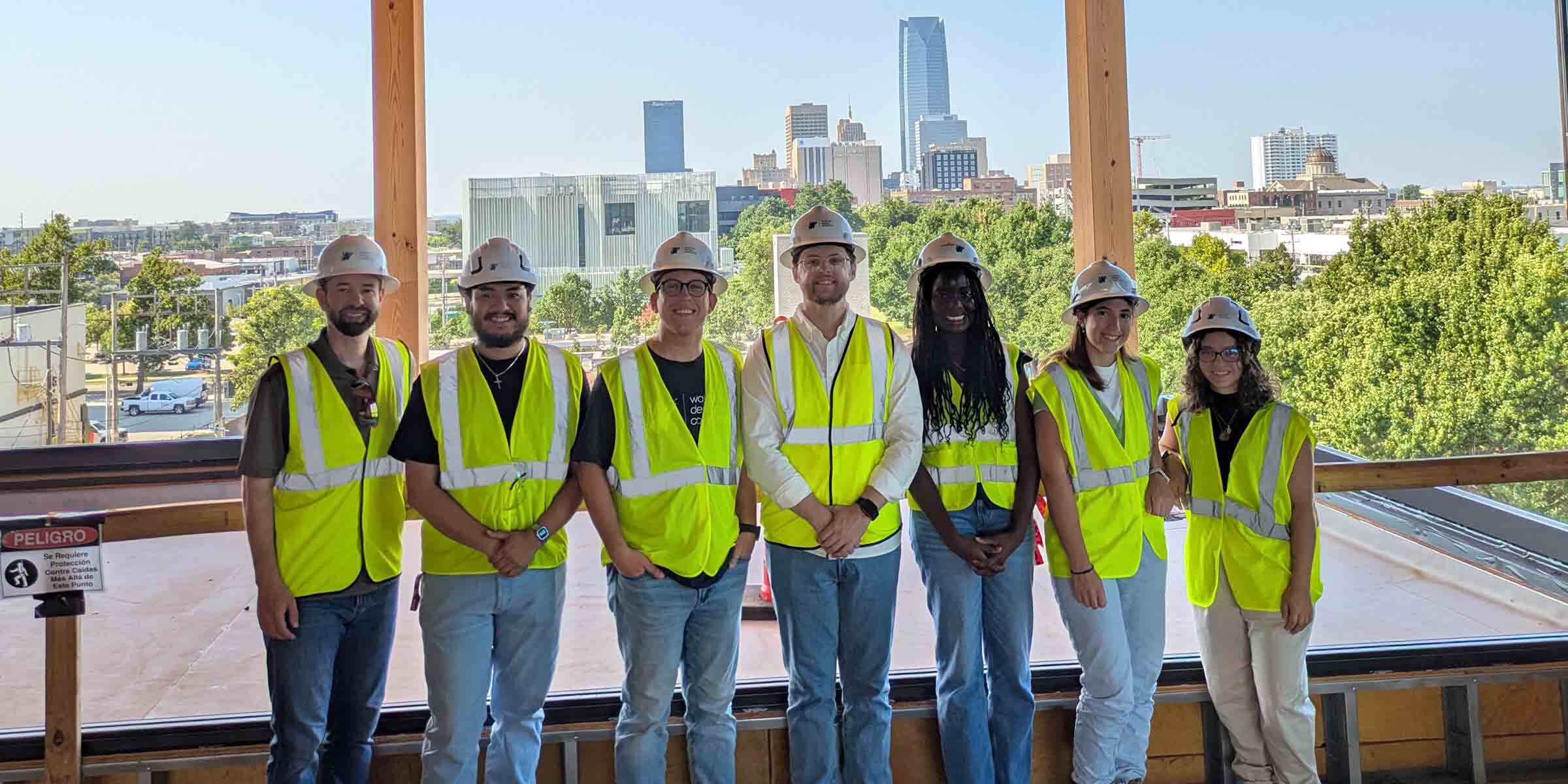
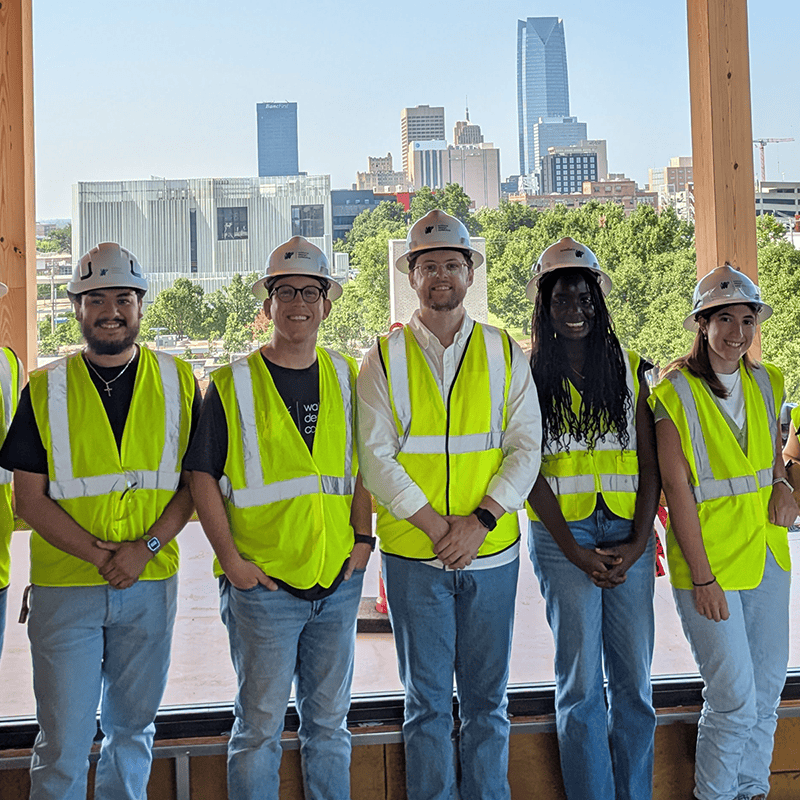
“It was interesting to see how a deliverable required the structural, civil and construction teams to work in tandem with each other.”
That’s how one of our interns, Levi Magness, summed up a joint site visit to Oral Roberts University this summer.
Both stops on the tour were Wallace Design Collective and Thompson Construction projects, and we bookended the visit with presentations from both teams. Before we set foot on site, Thompson walked us through the construction sequencing on the fast-tracked renovation of the Claudius and EMR Residence Halls. After the tour, our own presenters got into the RFIs, the submittal back-and-forth, and the full design behind the new Day Star Dining and Residence Hall.
That conversation with Levi was one of several moments this summer where I caught myself learning something I hadn’t expected. We bring on interns every year knowing they have a lot to learn about our industry. This year, I felt like I was the one learning a few lessons from them.
Here are five things our summer interns taught us – and what we’re changing because of them.
1. Real Partnerships Beat Practice Projects.
Interns don’t usually get to see the construction administration phase of a project. They see finished drawings, finished buildings – not all the moving parts and the work in between. This time they saw it from two sides of the table at once, on two real jobs, instead of hearing about it secondhand.
It also planted something longer-term. These interns are early in careers that will run parallel to each other for decades. The engineers and contractors who met on that ORU visit will likely cross paths again as project leads and as decision-makers. Starting those relationships now matters. People want to work with people they like.
2. They Don’t Want to Watch – They Want to Dive Deeper.
Alysa Galiunas told me something toward the end of the summer that reframed how I think about what interns actually want from us: “I now understand the business side of structural engineering: the economic trends, deadlines and budget are truly reflected in what building projects are being prioritized and can completely change how a project comes together.”
That’s not a comment about drafting technique or code compliance. That’s a comment about how decisions get made.
Our interns this year made it clear that simply having a job for the summer isn’t enough. They want to be included. They wanted to sit in on leadership conversations, understand the business side of the profession and see how production time is allotted across multiple projects. They also wanted to contribute somewhere beyond their assigned tasks – Izzy Holding mentioned volunteering at the Food Bank as a favorite part of the summer.
3. Benefits are Still a Mystery to Interns.
For the second year running, we ran a seminar that walked interns through what employment benefits actually are and why they matter as much as salary when evaluating a job offer.
Most interns arrive having never had to think about health insurance tiers, retirement matching or PTO structures. Larisa Hartig-Guerra said the seminar helped her “understand what sorts of things to expect when looking for a full-time job, as well as what things to watch out for.”
Salary is only one piece of total compensation, and most students evaluating their first job offers this year won’t know what to look for unless someone shows them how.
4. Culture and Work-Life Balance are Deciding Factors.
Ask an intern what made the summer good, and increasingly the answer isn’t about the projects; it’s about whether they felt like they belonged somewhere. Larisa Hartig-Guerra pointed to something simple: “My boss is super approachable, and nobody is ever too busy or too important to help the intern.” Mabrey Pearson noticed how the firm treats life outside of work: “I appreciate that Wallace cares about mental health. The flexibility for employees with families or other responsibilities are all really nice.” Brianna Butler’s favorite part of the summer was trying new restaurants with coworkers, spending time with people who made the office feel like a team rather than a workplace.
None of that shows up in a job description. All of it matters when an intern is deciding where they want to come back.
5. Happy Hours Need to Change.
Every summer, I plan a happy hour for every other Friday – usually a downtown bar or brewery. This year, turnout was down, so I asked why.
The reasons surprised me. Cost was a big one. A $5-7 beer adds up on an intern budget, and Caleb Kambote asked me point-blank, “Can’t we go somewhere with an actual happy hour?” Others said drinking just doesn’t fit the healthy lifestyle they’re building. A few mentioned something I hadn’t considered: in a world where everything gets recorded, nobody wants to be the person in the background of someone else’s night out. The internet lives forever.
They still want to socialize. The old model, built around a bar tab, just isn’t the draw it used to be. Next summer, we’re trying activity-based gatherings: trivia, pickleball and game nights where the point is simply spending time together.
Join Team 2027
We built this internship program to teach the next generation of engineers, surveyors, landscape architects and marketers how the AEC industry actually works. This summer reminded us that the teaching goes both ways.
If you’re a student looking for real-world experience in civil engineering, structural engineering, landscape architecture, land surveying, marketing, HR, administrative work or roof consulting, we’ve got a few spots left. Reach out – we’d like to hear what you’ll teach us.