





What Is an ALTA/NSPS Land Title Survey and When Do You Need One?
Commercial real estate transactions involve more than identifying property boundaries.
Before purchasing, financing or developing a property, owners and lenders need a clear understanding of the site’s legal and physical characteristics.
That’s where an ALTA/NSPS Land Title Survey becomes valuable during commercial real estate due diligence. Wallace Design Collective’s surveying team regularly performs ALTA/NSPS Land Title Surveys for commercial real estate transactions, helping owners, developers, lenders and project teams better understand a property’s opportunities and constraints before closing.
What Is an ALTA/NSPS Land Title Survey?
An ALTA/NSPS Land Title Survey is a detailed survey completed in accordance with standards established by the American Land Title Association (ALTA) and the National Society of Professional Surveyors (NSPS).
The survey combines information gathered in the field with title commitment documents provided by a title company. Together, these sources help identify and document matters that may affect the property, including:
- Property boundaries
- Easements
- Rights-of-way
- Access points
- Encroachments
- Existing improvements
- Utility features
- Other title-related matters
By showing how recorded easements, property boundaries and physical conditions relate to one another, the survey helps buyers and their transaction teams identify issues that may need further review before closing. Because the survey follows nationally recognized standards, it provides a consistent level of information that lenders, title companies, attorneys and property owners can rely upon during a transaction.
How Is It Different From a Boundary Survey?
While both surveys identify property boundaries, their purpose and scope are different.
A boundary survey focuses primarily on determining and marking property lines based on legal descriptions and available evidence.
An ALTA survey goes further by combining boundary and field information with title research and documenting additional information that may affect ownership, financing or development.
For example, a boundary survey establishes where the property lines are. An ALTA/NSPS Land Title Survey also shows how a recorded easement or an existing building relates to those lines, helping the buyer and transaction team identify conditions that may need further review.
In many commercial real estate transactions, the additional information an ALTA survey provides helps stakeholders better understand the property’s opportunities and constraints before closing.
When is an ALTA Survey Needed?
An ALTA/NSPS Land Title Survey is most commonly completed during commercial real estate transactions and development due diligence efforts.
Property owners, developers, commercial real estate investors, lenders, title companies and attorneys often rely on ALTA surveys when evaluating a property before a purchase, refinancing or development project.
Common reasons an ALTA survey may be requested include:
- Commercial property acquisition
- Development due diligence
- Property refinancing
- Title insurance requirements
- Easement verification
- Site feasibility evaluations
- City/County Mapping Action Applications
Why Do Lenders and Title Companies Require Them?
For a lender, the property serves as collateral for the loan. Boundary disputes, access concerns or encroachments can affect its value and use. For a title company, those same conditions may influence what title insurance coverage can be offered and which exceptions apply.
An ALTA survey helps both parties evaluate these risks by showing how recorded title information relates to conditions on the property.
For example, the survey may reveal:
- Easements that restrict development
- Encroachments across property lines
- Access concerns
- Conflicts between recorded documents and existing site conditions
- Improvements located within setback areas
This information helps lenders determine whether the property meets their financing requirements and allows title companies to determine what coverage they can provide. For buyers, identifying these concerns before closing provides time to investigate them and discuss potential solutions with the transaction team.
Understanding Survey Scope and Table A Items
While ALTA/NSPS standards establish a baseline scope, every transaction is different.
Additional information can be incorporated through optional Table A items selected by the client, lender or title company. Depending on project needs, these items may include utility locations, parking counts, zoning information, building measurements and other site-specific data.
Discussing scope requirements early helps align the survey with the needs of the transaction and avoids unnecessary delays later in the process.
When Should an ALTA Survey Be Completed?
Because ALTA surveys are often completed during due diligence, they can provide valuable information for development teams evaluating a property’s feasibility. Early collaboration between surveyors, civil engineers and land planning professionals can help identify potential challenges before design begins.
Completing the survey before closing allows owners, developers, lenders and title companies to identify potential concerns while there is still time to evaluate options and make informed decisions.
Waiting until after a property is purchased can limit flexibility and create unexpected challenges during planning, financing or development.
What Should Owners Expect During the Process?
The process typically begins with the surveyor receiving title commitment documents and defining the project scope, including any requested Table A items.
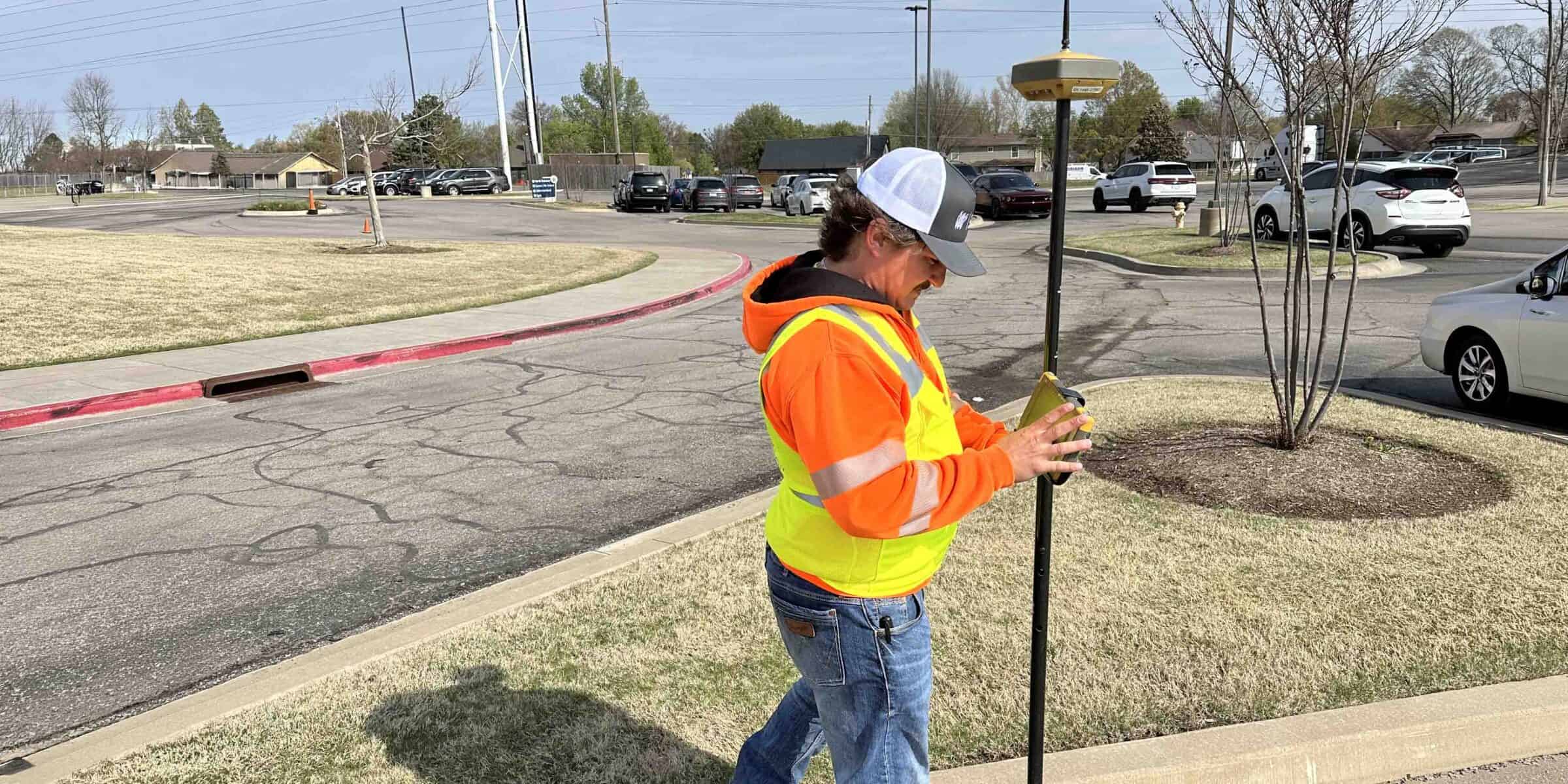
Surveyors then perform field work to locate property evidence, improvements and other features required by the survey standards. The field information is combined with title research and analyzed to identify potential conflicts or matters affecting the property.
Once complete, the survey is reviewed and delivered to the client, lender and other project stakeholders.
Depending on the property’s size, complexity and the availability of title information, the process can take several weeks to complete.
Questions Worth Asking Early
Is an ALTA survey required by the lender or title company?
Many commercial transactions require an ALTA survey before financing or title insurance can be finalized.
Are there easements that could affect future development?
Utility easements, drainage easements and access agreements can influence where buildings and infrastructure can be located.
Are there encroachments on the property?
Improvements crossing property lines can create legal and development challenges if not identified early.
Are additional Table A items needed?
Some projects benefit from supplemental information related to utilities, parking counts, zoning matters or other site features.
How much time should be allowed for the survey?
Survey timing can vary based on property size, complexity, record availability and project requirements. Planning ahead can help avoid delays during due diligence.
What level of survey scope is appropriate for the transaction?
Survey requirements can vary depending on the property, lender, title company and development goals. Discussing project needs early can help determine which optional Table A items may provide additional value.
Understanding a Property Before You Invest
Before closing on a commercial property, understanding how boundaries, easements, access rights and existing improvements relate to your plans can help identify questions worth resolving.
Wallace Design Collective’s surveying team works alongside civil engineers and land planners to put survey findings into context, helping clients understand how site conditions may affect future development.
Whether you’re evaluating a property acquisition, refinancing an asset or planning future development, connect with our team at info@wallace.design to discuss your surveying needs and the information that can help you move forward with greater clarity.