

Beyond the Drawings: Helping Future Engineers Understand How Projects Come to Life
Most of what young engineers learn happens on a screen. The shop floor is where that knowledge gets tested.
This summer, we had the opportunity to take a group of our interns behind the scenes at Wiemann Metalcraft in Tulsa. The visit gave them a firsthand look at a side of the design and construction industry they may not often see in the office – the work of the fabricators and craftspeople who turn ideas, drawings and specifications into physical components.
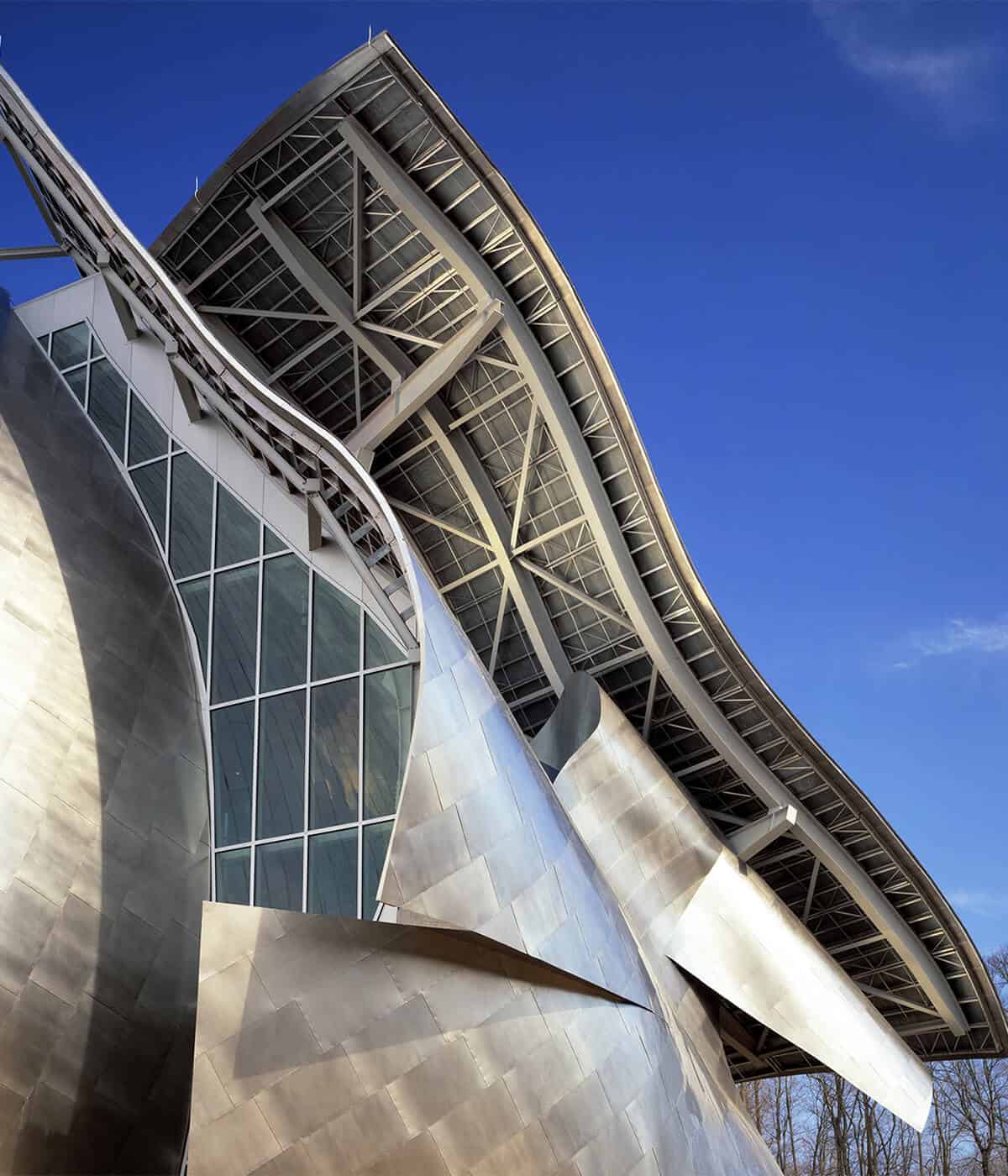
Calculations, models and details are where most design work lives. A shop tour provides a completely different perspective. It allows them to see how those decisions translate into physical components that must be cut, bent, welded, assembled, finished, transported and installed.
At Wallace, we believe the best engineers and designers develop not only strong technical skills, but also an appreciation for the people, processes and craftsmanship that bring every project to life. The Wiemann visit showed that in action – interns saw how traditional craftsmanship and modern fabrication technology work side by side – skilled handwork passed down over generations, alongside digital modeling and precision equipment. That combination reinforces that innovation in our industry doesn’t replace craftsmanship – it gives skilled professionals better tools to execute increasingly complex work.
Working successfully with fabricators requires more than simply producing a technically correct design. It requires an understanding of how things are made and a willingness to collaborate with the people responsible for making them. Details, tolerances, material selection, connections, sequencing, access and constructability all have real consequences once a project reaches the fabrication floor.
The visit also highlighted the importance of communication between designers, engineers and fabricators. A successful project is rarely the result of one discipline working in isolation. Fabricators bring valuable knowledge about materials, processes, tolerances and practical execution, and their input can often help turn a good design into a better, more buildable solution.
For our interns, the tour was an opportunity to connect what they are learning in school and in the office with the physical realities of fabrication. Seeing the shop, equipment, materials and finished work firsthand provided context that is difficult to gain from drawings alone.
A Special Thanks
Wiemann Owner, Doug Bracken, generously shared his knowledge, walked the group through their work, equipment and fabrication processes and answered the interns’ questions throughout the tour. We are grateful for the time he spent helping them better understand both the technical and hands-on sides of the industry.
We would also like to thank Jeff Kauffman and the Wiemann Metalcraft team for suggesting the visit and helping coordinate the tour. Their willingness to open their doors and share their expertise provided our interns with a valuable learning experience.
Opportunities like this help young professionals develop a broader understanding of the industry and the many people involved in bringing a project from concept to completion. Just as importantly, they reinforce something that remains true throughout a career: we become better engineers and designers when we take the time to understand how our work is actually built – and when we learn from the people who build it.