


An Overlooked Bottleneck in Expansion: Why Engineering Licensure Matters More Than You Think
Growth is baked into the DNA of start-ups and entrepreneurs.
Every successful venture – retail, healthcare, educational alike – asks itself at some point, “Should we expand?” It might be opening another space in a different area of the city or a nearby town. It might be looking to expand a concept regionally or nationally.
Expansion looks straightforward on paper: secure the site, design the facility, permit, build, open, repeat. But in practice, every new location introduces a new layer of complexity – jurisdictional code amendments, code-mandated design requirements, permitting processes, inspection protocols and more – that can quietly erode schedules, budgets and consistency.
Successful expansion comes down to operational scalability. How are we going to handle the demands of a larger footprint from the standpoint of internal operations, brand and service consistency, design and construction, staffing, facility maintenance without introducing friction, rework or delay?
When it comes to operating multiple locations, 1 + 1 = way more than 2.
How Wallace Delivers Engineering Scalability
Wallace Design Collective has structural engineers representing active licensure in all 50 states, the District of Columbia and Puerto Rico – a capability held by only a small percentage of engineering firms nationwide.* Wallace’s civil engineering team provides active licensure in 48 states. Our teams also provide IBC-mandated special inspections and roof consulting to support continuity from design through construction and long-term performance.
This integrated approach reduces handoffs, accelerates onboarding in new markets and preserves institutional knowledge across portfolios. Clients benefit from consistent standards, streamlined coordination and a single accountable partner capable of delivering coast to coast.
What does this mean for you as your company is looking to expand regionally or nationally?
- We don’t merely hold multiple state licensures: We’ve actually designed projects in all 50 states, the District of Columbia and Puerto Rico. This allows our clients to scale without introducing additional consultants, coordination layers or delivery risk.
- Every jurisdiction is truly unique: Every project location – from jurisdictional requirements to site constraints to design mandates – is unique. Even when two jurisdictions adopt the same base code, enforcement and interpretation often differ. What passes review in one city may trigger redesign in another. Familiarity with these issues can mean the difference between an on-time opening and costly delays.
- In-depth knowledge of the building code and state requirements: A building that performs well in one region may require meaningful redesign in another – not because the concept is flawed, but because the regulatory and in-situ conditions change. Our experience across all states and design conditions allows us to move quickly to solve local problems
- Less fragmentation in design intent: Design processes can vary between firms, creating inconsistencies in documentation, detailing and constructability. Prototype designs are reinterpreted instead of refined and optimized. Working with a single point of delivery – or a select group of consultants for larger programs – provides consistent results.
- Speed is everything: Store openings are tied to lease commitments, seasonal revenue cycles and competitive positioning. A delayed opening isn’t just an inconvenience – it’s lost revenue, carrying costs and market opportunity handed to competitors. When an architect needs a code interpretation clarified by Thursday, or a contractor encounters an unexpected site condition that requires immediate structural redesign, retail clients can’t wait for coordination between multiple consultants across time zones. They need answers now, decisions made confidently and execution without hesitation. This is where responsiveness and flexibility shift from principles to practice – and as portfolios grow, that consistency across markets becomes the difference between scaling smoothly and managing chaos.
Ready to Remove the Bottleneck?
If you’re expanding into new markets, managing a growing portfolio or tired of coordinating multiple engineering teams across state lines, it may be time to rethink how your projects are supported.
Since 1981, we’ve partnered with architects, developers and institutional clients to deliver complex projects efficiently, responsibly and with long-term value in mind. Wallace Design Collective helps clients streamline delivery, reduce risk and maintain consistency across multi-state projects through nationwide licensure and integrated expertise. With offices from Atlanta to Denver, Wallace combines nationwide reach with regional presence – bringing local insight backed by scalable expertise.
Let’s start a conversation about how we can support your next project – and the ones that follow.
*Based on an analysis of NCEES individual comity data and state-specific ‘Certificate of Authorization’ requirements, industry experts estimate that less than 2% of firms maintain the full compliance infrastructure necessary for 50-state structural licensure.
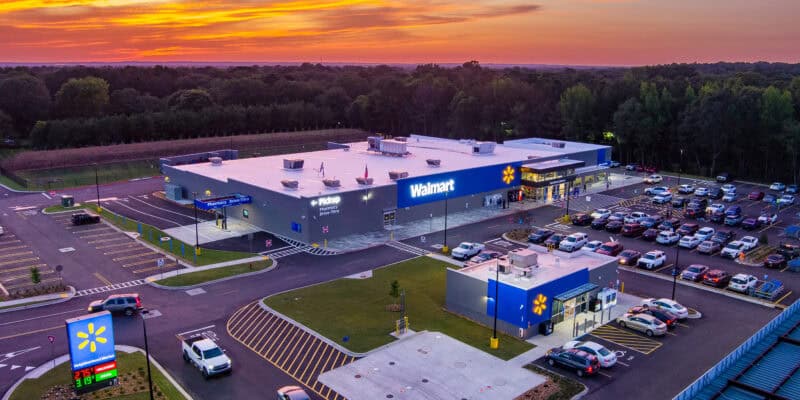
Walmart
Aldi
Dunkin’
Retro-Fit Structural Analysis: Prelim Lateral and the 10% rule
What Makes a Good RFI
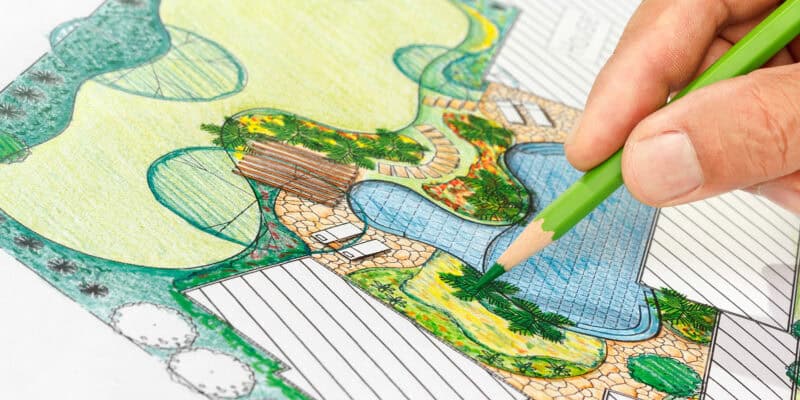
Land Planning – Who We Are and What We Do
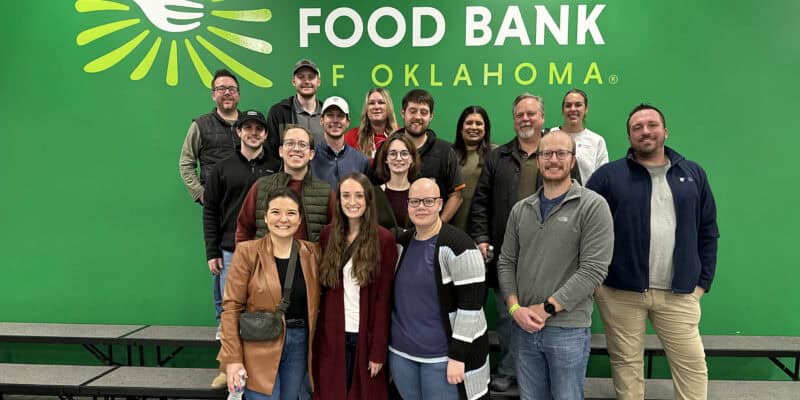
40 Acts of Service: Making Lives Better Through Community Involvement

Retaining Wall Design

The Art of Engineering